
Identity is becoming increasingly important for young people, especially for those who live between different cultural contexts, have migration experience, belong to minorities or face limited opportunities for participation. At the same time, it is not always easy to begin a conversation about identity: young people may find it difficult to put their experiences into words, discuss differences and engage openly in dialogue.
Artistic practices offer another language for exploring and expressing identity. They make it possible to work through images, movement, sound, space and collaborative creativity. However, an artistic practice does not automatically become an educational method: it must be adapted to the objectives of youth work, complemented by reflection on the experience gained and tailored to the needs of a particular group. This is why the project brought together the experience of youth workers, educators and artists.
Together with our partners, we aimed to:
- identify, adapt and describe methods that use artistic practices to address identity;
- develop new formats of non-formal education for young people, including future international youth exchanges;
- strengthen the competences of youth workers, educators and artists and create a space for their professional cooperation;
- integrate the methods and formats developed into the ongoing work of the partner organisations.
September 2025, Riga — partners’ kick-off meeting. The partners clarified the needs of their organisations and target groups, detailed the schedule and division of tasks, agreed on approaches to communication, monitoring and evaluation, and jointly identified the key identity issues on which the subsequent work was to focus.
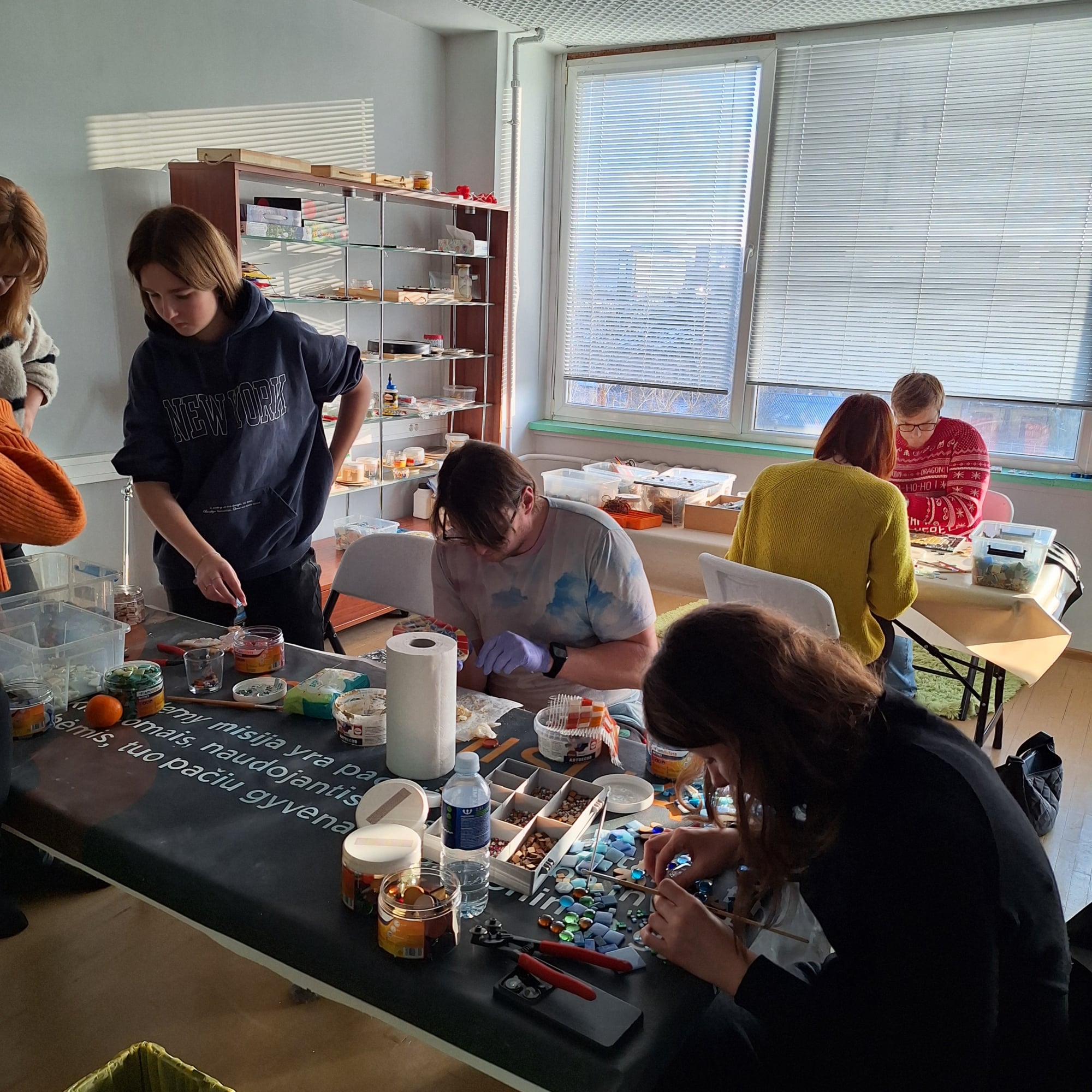
Preparatory work within the organisations. Youth workers, educators, volunteers and artists examined their own experience and searched for and selected artistic practices and art-based approaches that could be useful in youth work. The partners analysed what kinds of experience these practices create, which aspects of identity they make it possible to address and in which formats they can be used.
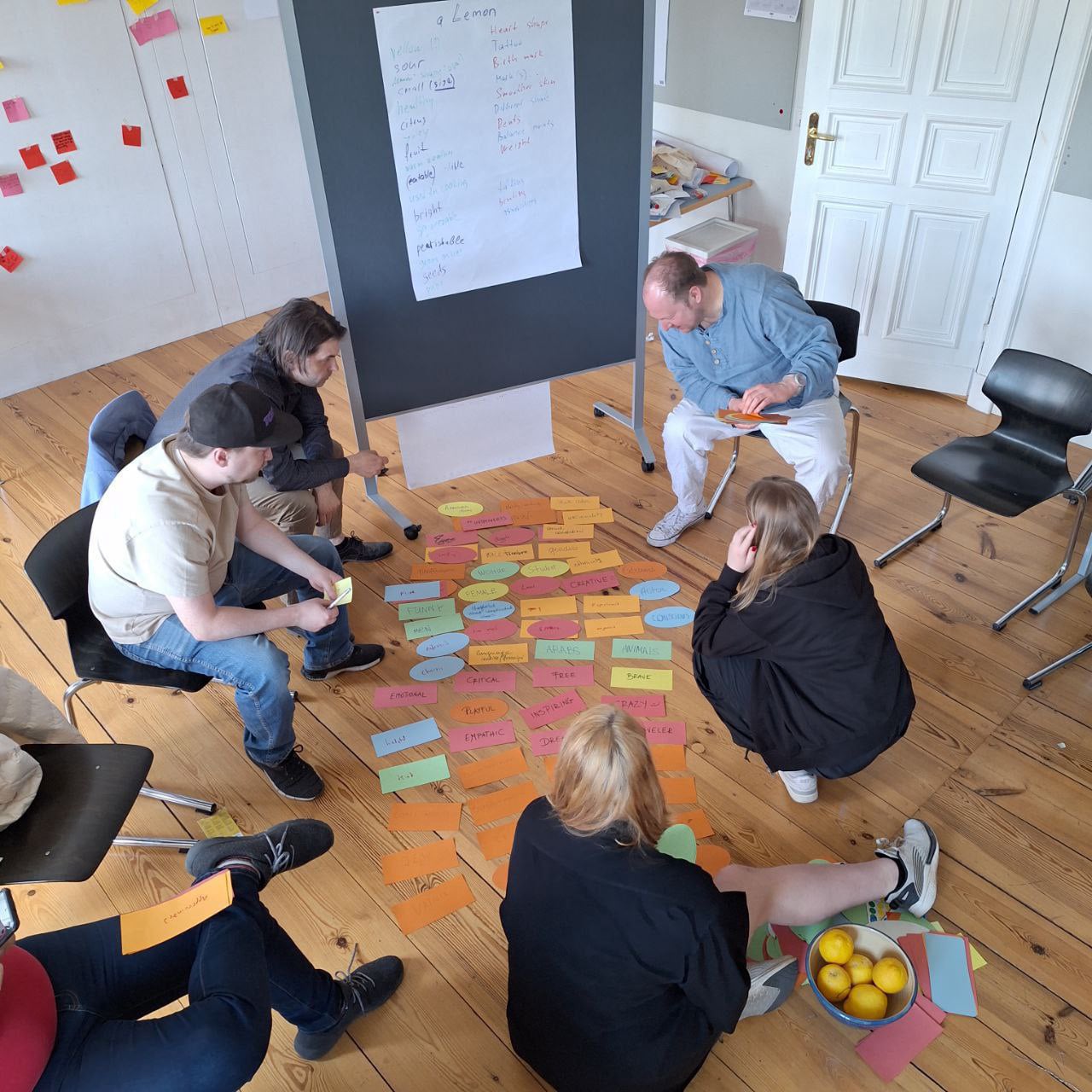
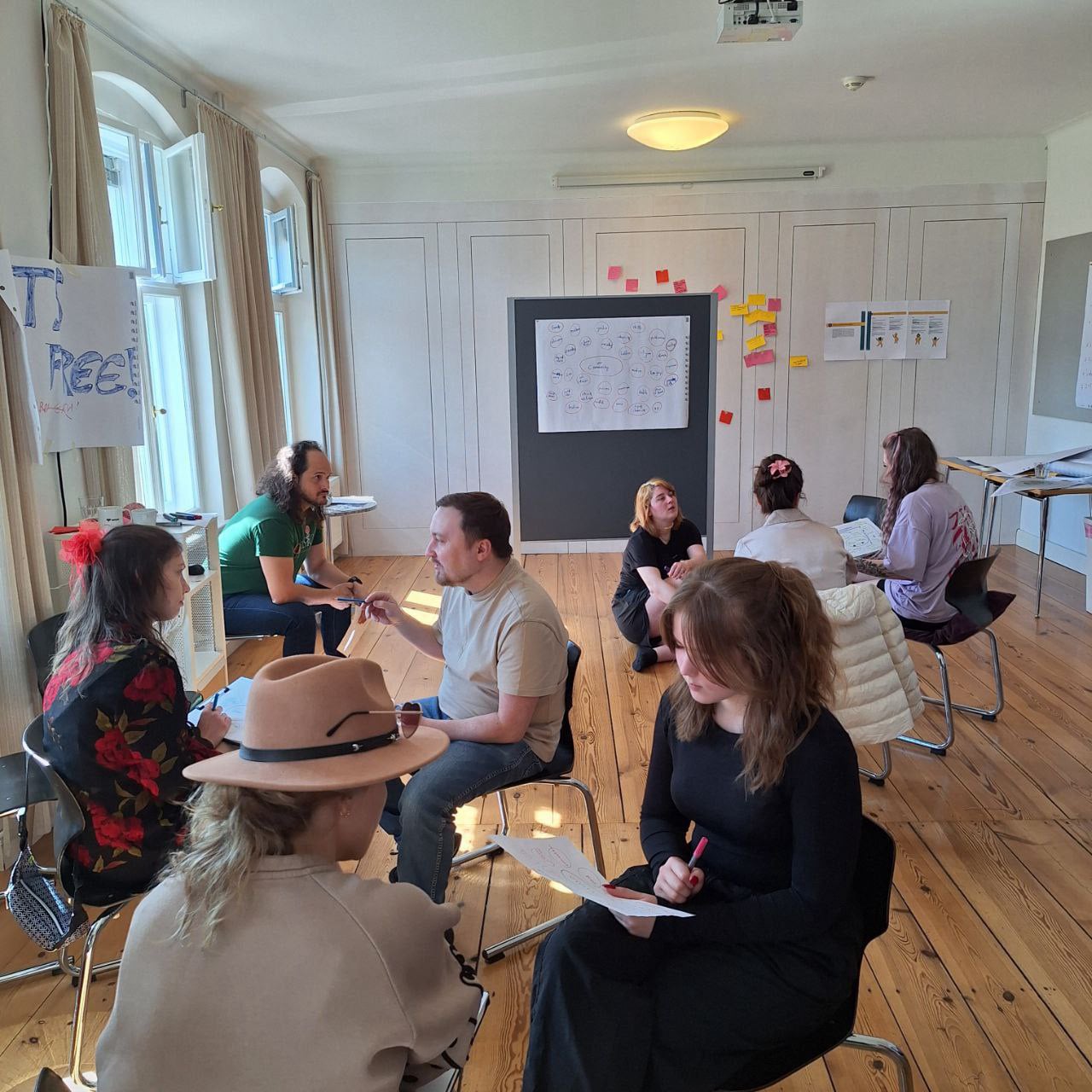
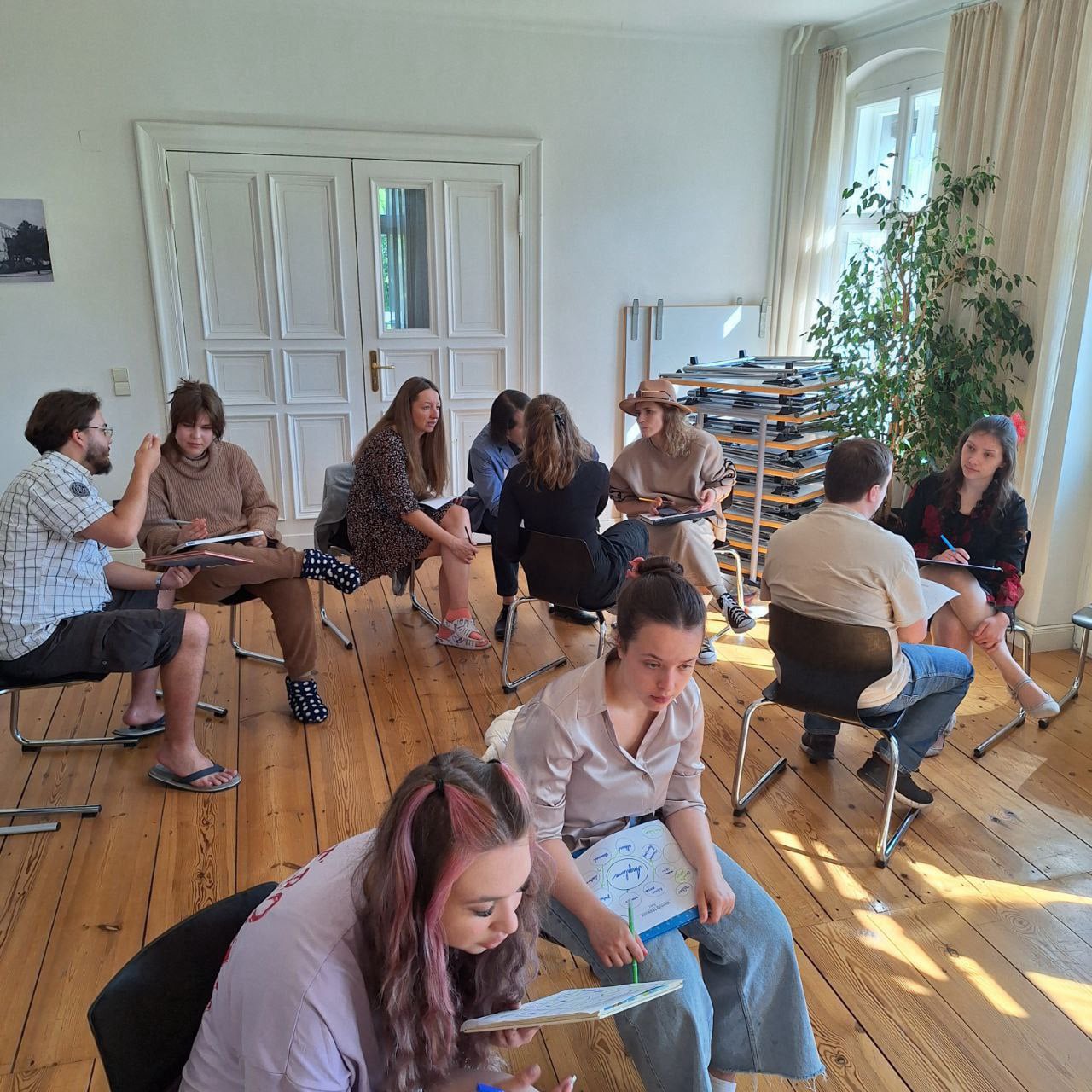
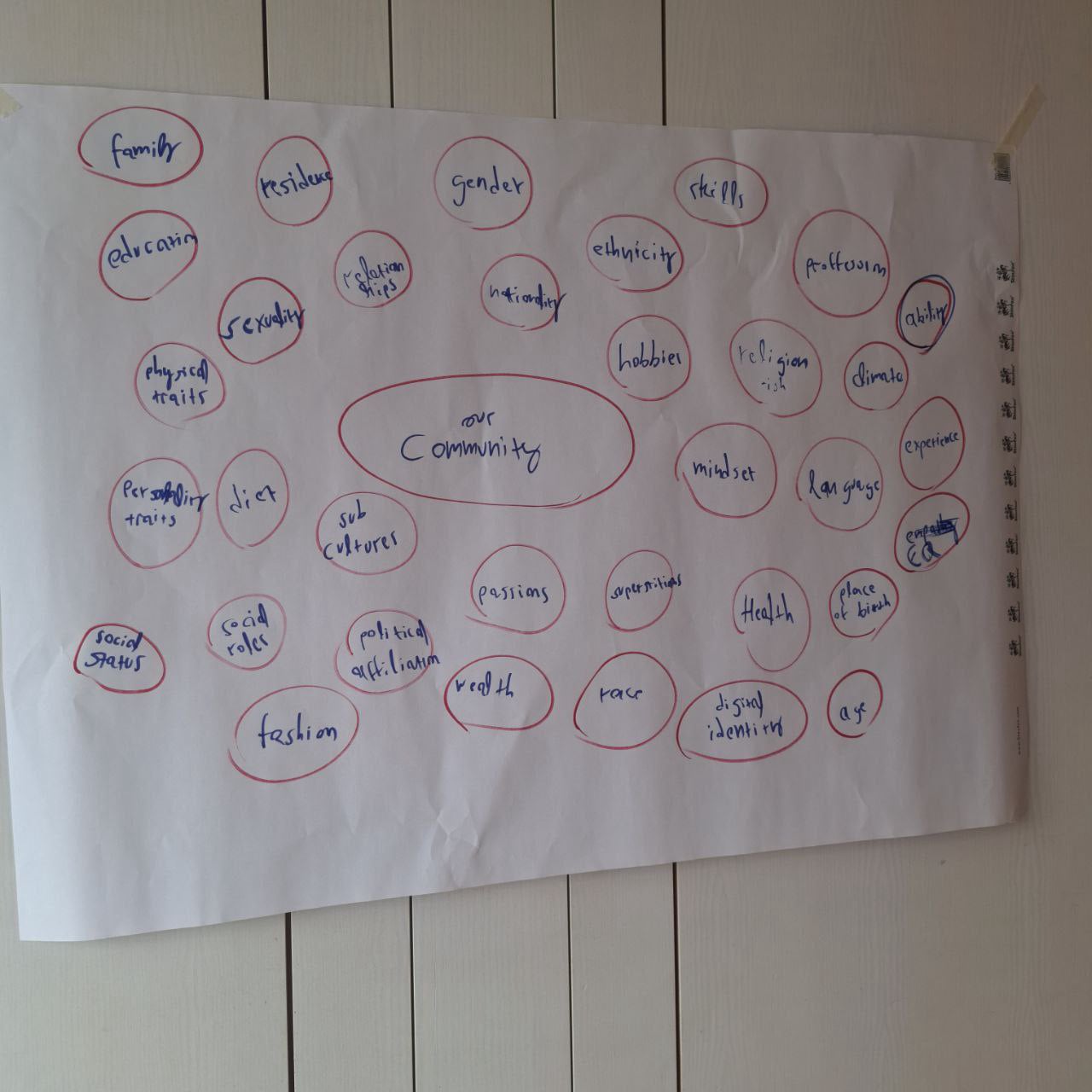
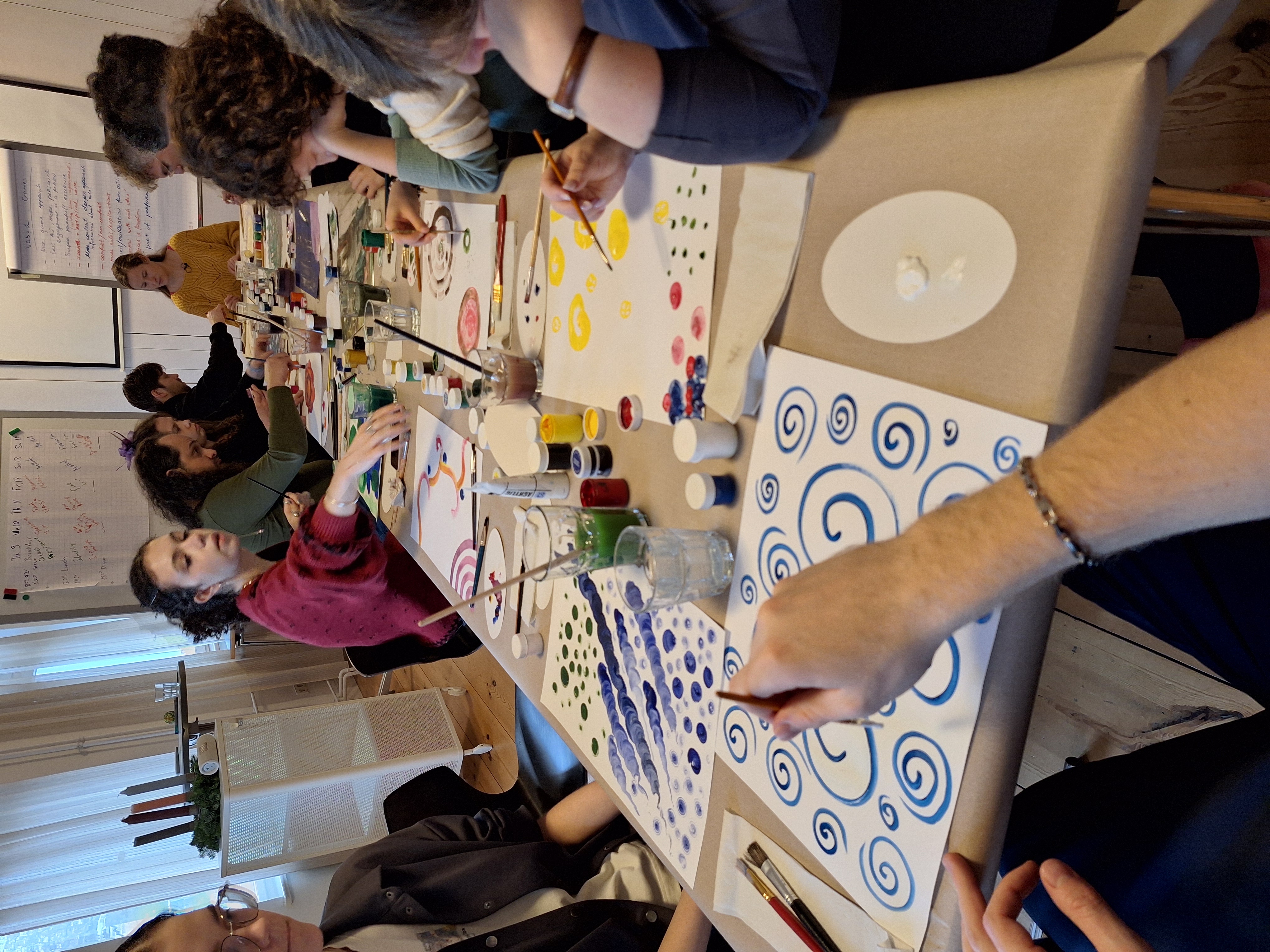
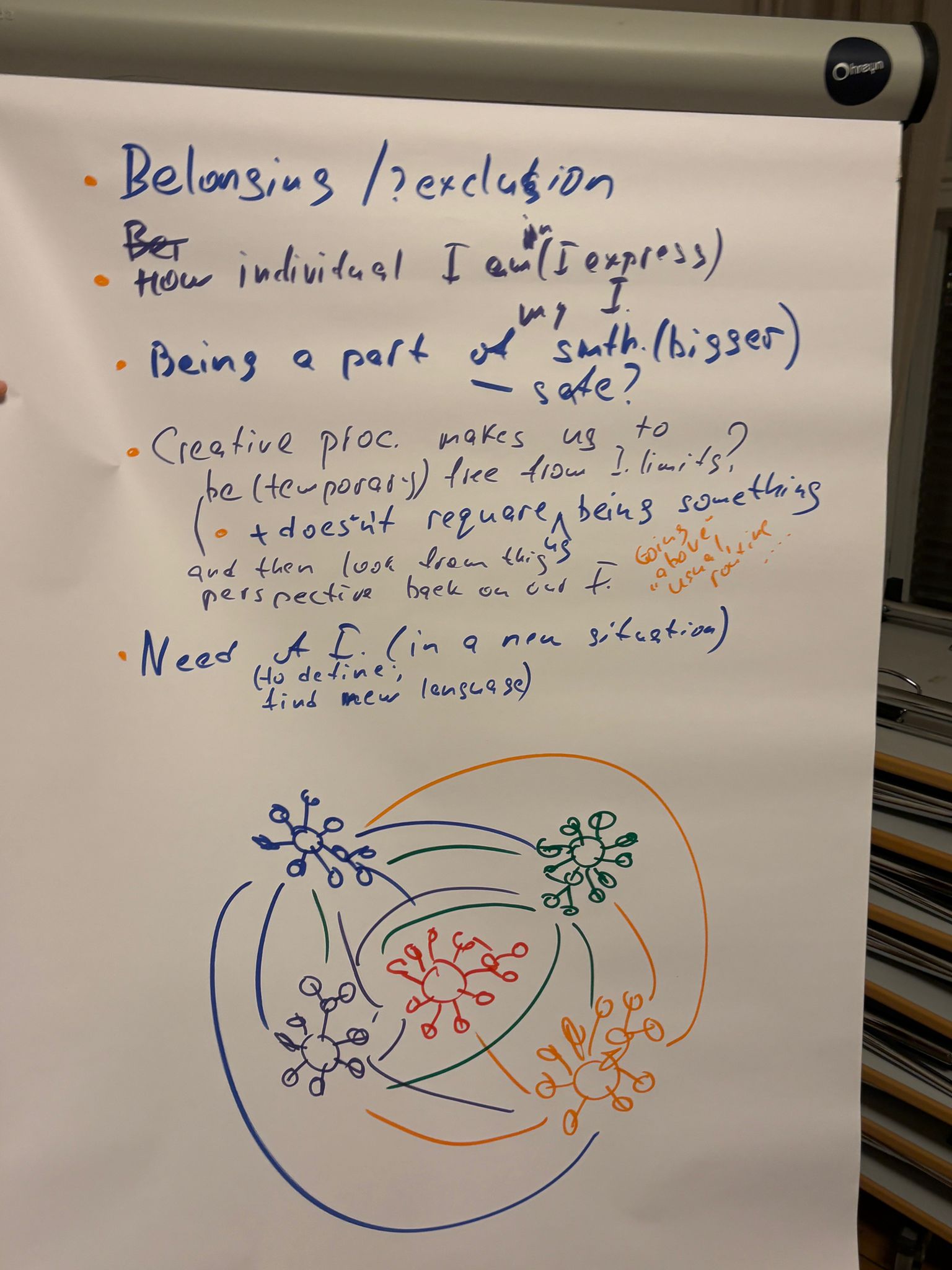
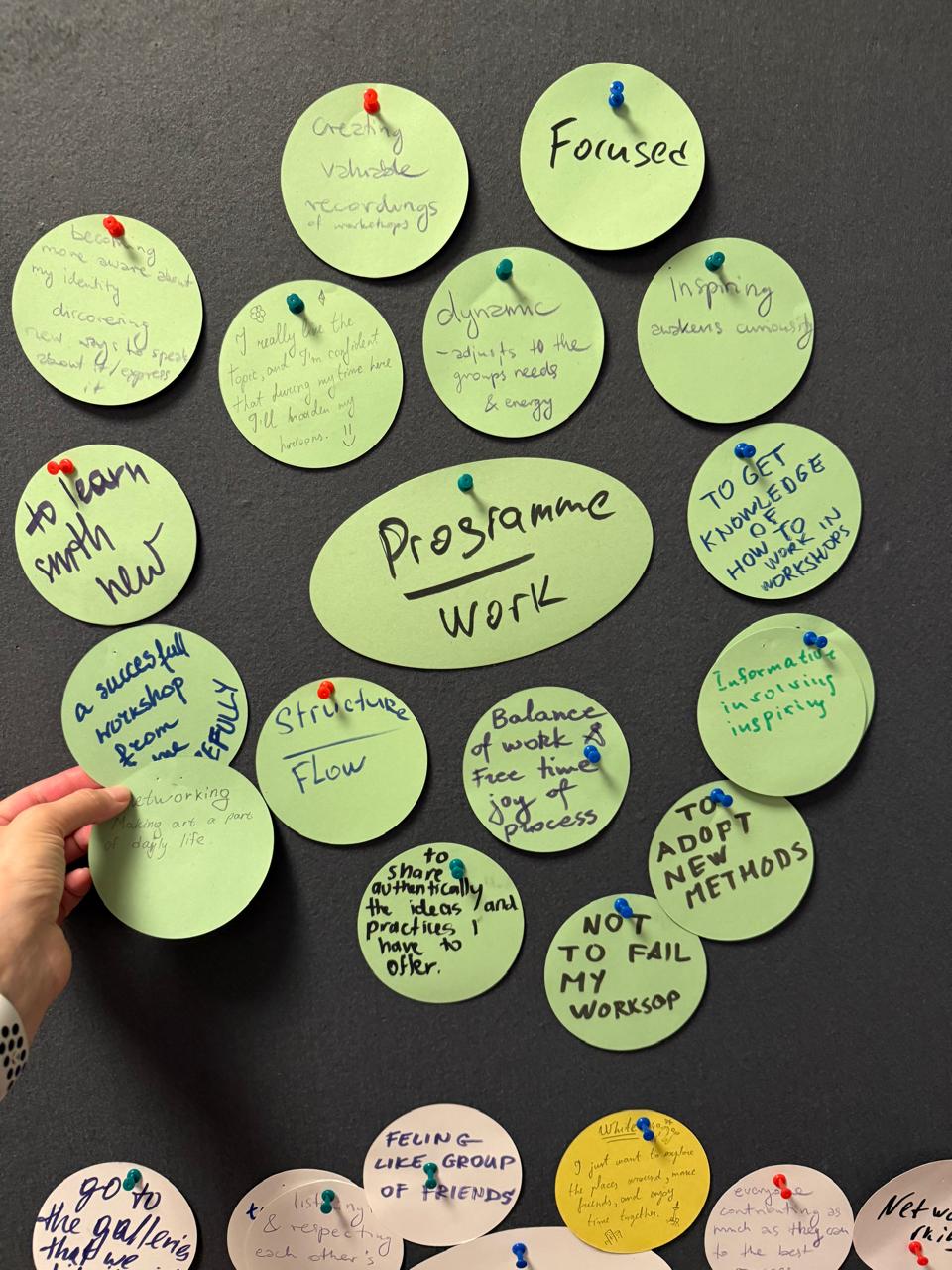
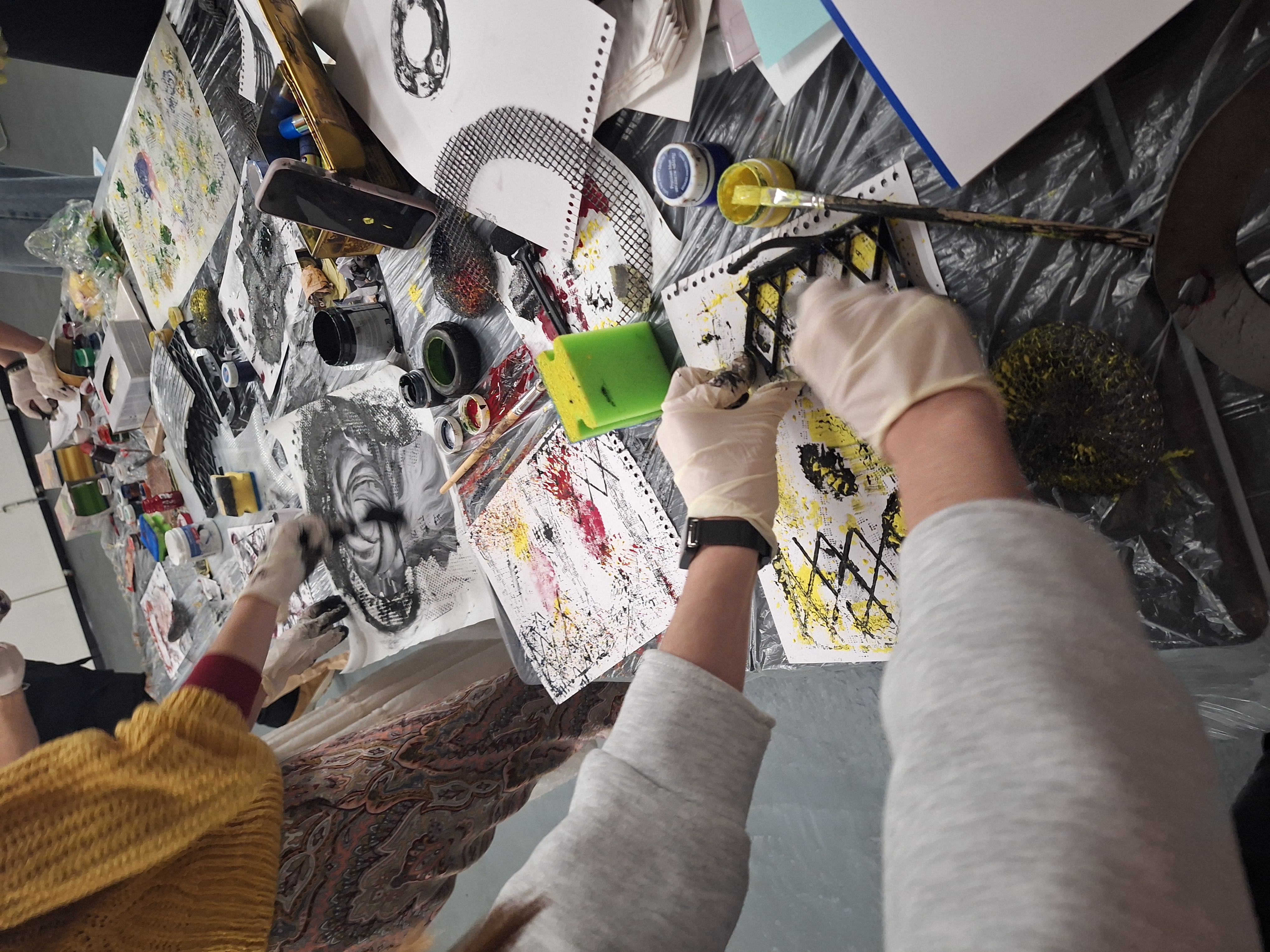
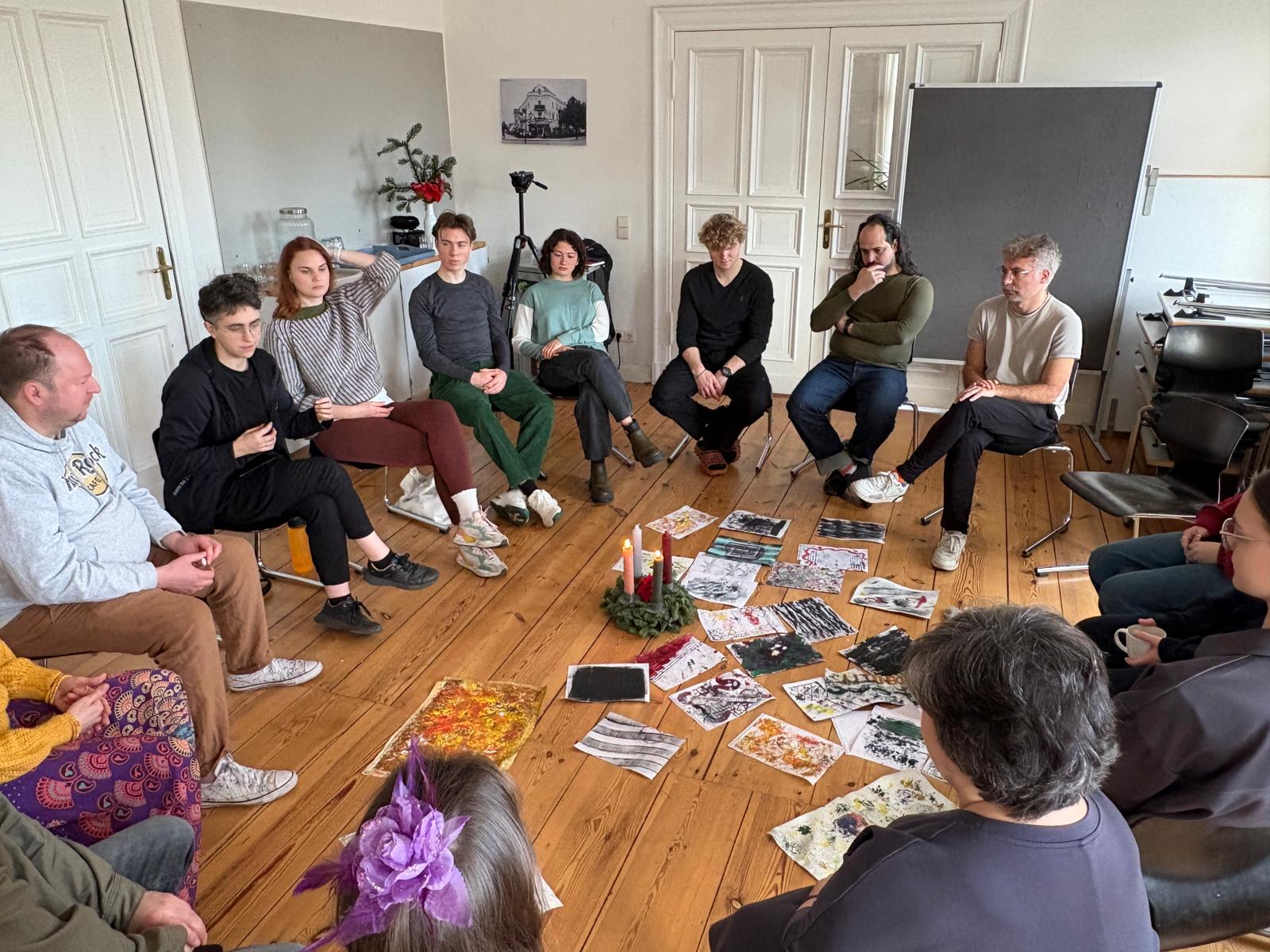
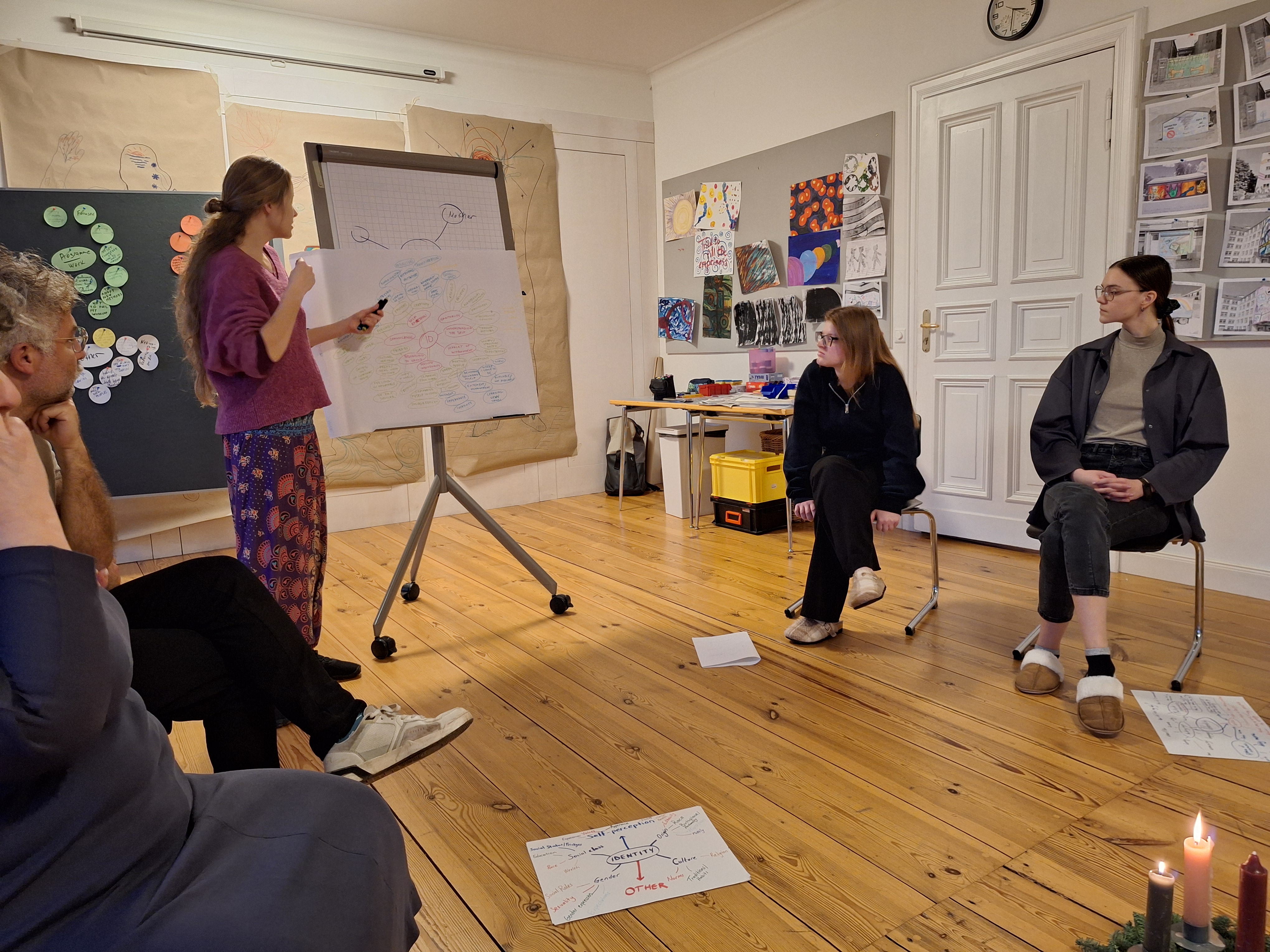
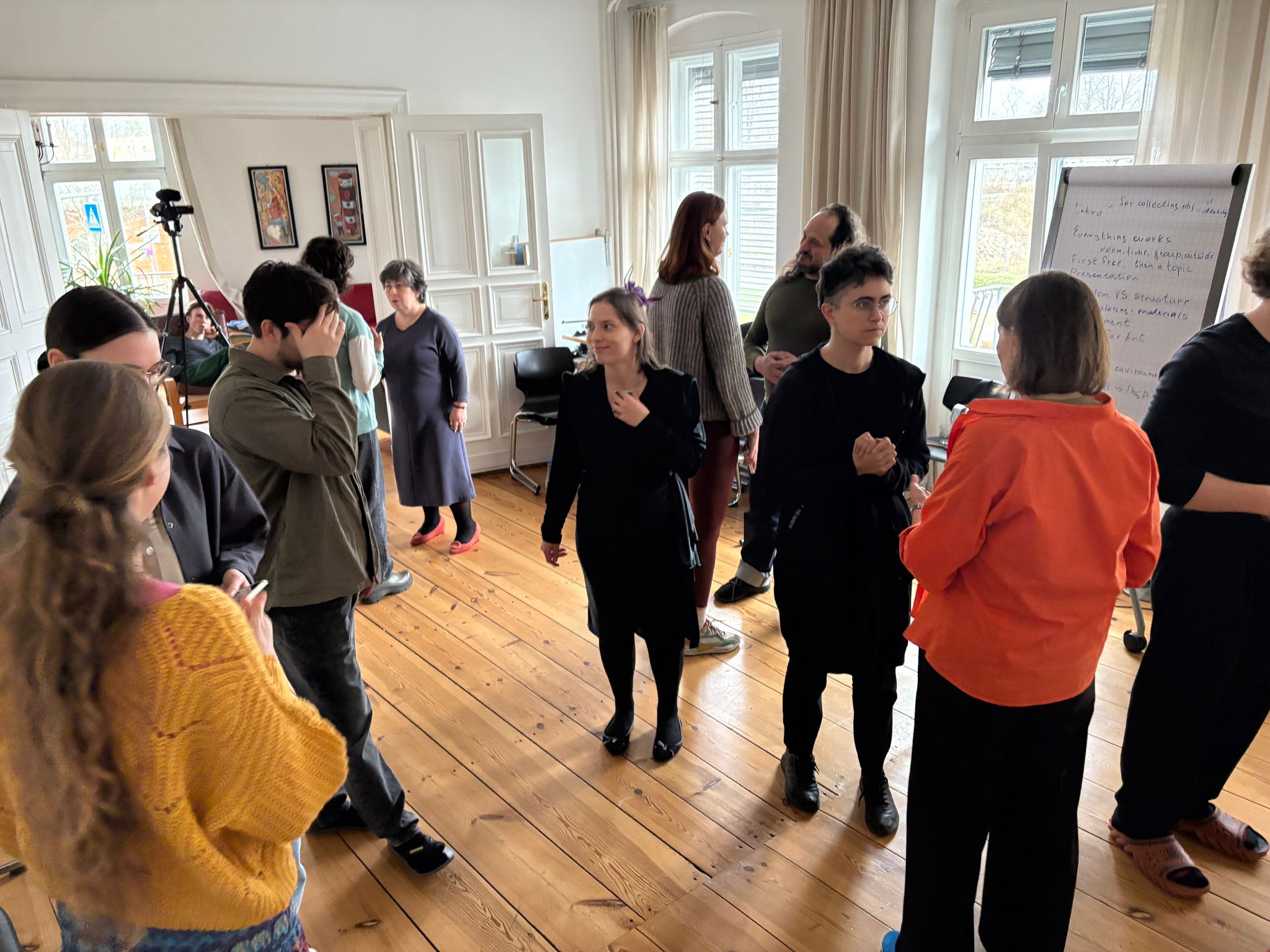
December 2025, Berlin — international methodological seminar. Representatives of the three organisations presented the selected practices and methods, jointly analysed their potential and exchanged professional approaches. Participants discussed the objectives, implementation conditions, structure, forms of reflection, possible applications and limitations of the methods being developed. In addition, several artistic practices were demonstrated directly. Drawing on their own experience of taking part, the group discussed how each of them could be transformed into an educational method with a clear rationale, learning objectives and meaningful reflection. This process became a model for subsequent art workshops and methodological work within the organisations.
Local methodological work. After the international seminar, the partners continued working within their organisations: they held art workshops, described the methods developed in detail, tested them with colleagues and young participants, and collected feedback. Based on practical experience, the descriptions were refined and further developed to take account of the needs of different groups and national contexts.
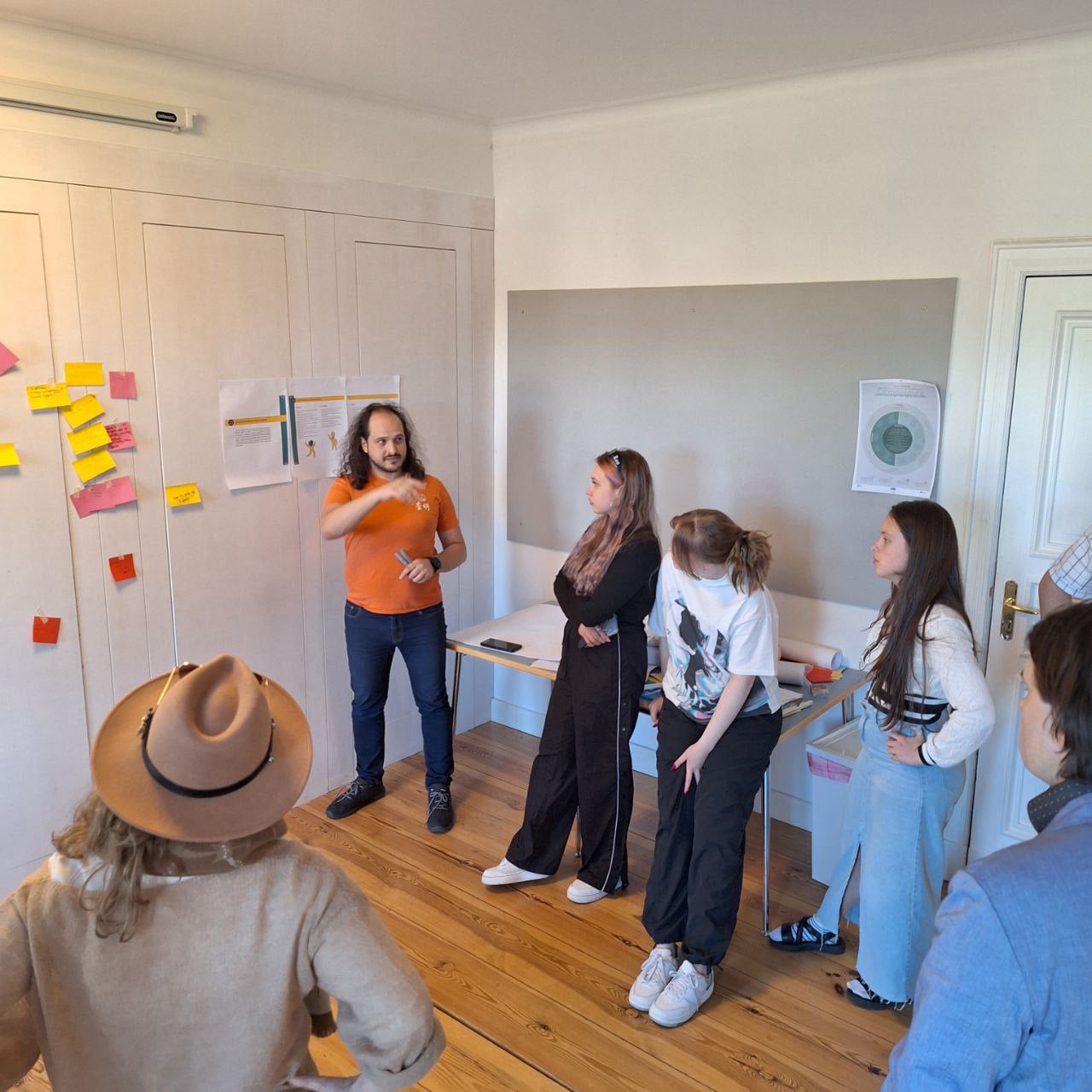
April 2026, Berlin — Project Lab. At the final international working meeting, participants evaluated and revised the prepared method descriptions, reviewed the outcomes of the methodological work and focused on how to translate the project results into concrete formats for the partner organisations’ future activities. The Project Lab connected the methodology developed with practical planning, the subsequent use of the results and further cooperation.
Completion of the project. At the final stage, the partners carried out a comprehensive evaluation of the project, its process and results, completed the editing of the joint materials and organised the dissemination of the results within their organisations and among a wider professional audience.
For the internal work of the partner organisations were prepared roadmaps for each organisation, designs for one-day activities for its target group and programmes for disseminating and using the project results within the organisations — for the youth workers, leaders and volunteers of each partner. These materials help integrate the approaches developed into the organisations’ ongoing work, share them with a wider circle of colleagues and plan specific activities with young people.
For further international cooperation two preliminary youth exchange concepts. The partners plan to continue working on them, turn them into full project applications and submit them for Erasmus+ funding.
For a wider professional audience a Methodological Workbook was created, comprising 11 methods based on artistic practices. They cover different aspects of identity work: understanding the phenomenon of identity itself, exploring one’s own identity, its social and political dimensions, and the links between identity and diversity, conflict and social cohesion.
Each description includes the objectives of the method, recommended conditions for implementation, required materials, step-by-step instructions, questions for reflection, possible adaptations, as well as risks and limitations. The methods can be used as stand-alone sessions or incorporated into programmes for seminars, camps, training courses and youth exchanges.
As a result of the project, the partners gained not only new tools but also a shared approach to transforming artistic practices into an educational process that combines personal experience, collaborative creativity and meaningful reflection.
The partner organisations will use the methods and programmes developed in their everyday work with young people and share them with colleagues, leaders and volunteers. The two youth exchange concepts created will be further developed into full project applications and submitted for Erasmus+ funding.
ADDRESS
c/o Alexey Kozlov
Torgauer Str. 63
12627 Berlin
Deutschland
CONTACT
Email: [email protected]
Phone/fax: +491781723827